
Most PEEK defects we are called in to fix were created before the mold closed. We run the equipment the material actually needs: desiccant drying to 150 °C, 160–220 °C oil temperature control on both halves, and a corrosion-resistant screw with no dead pockets.
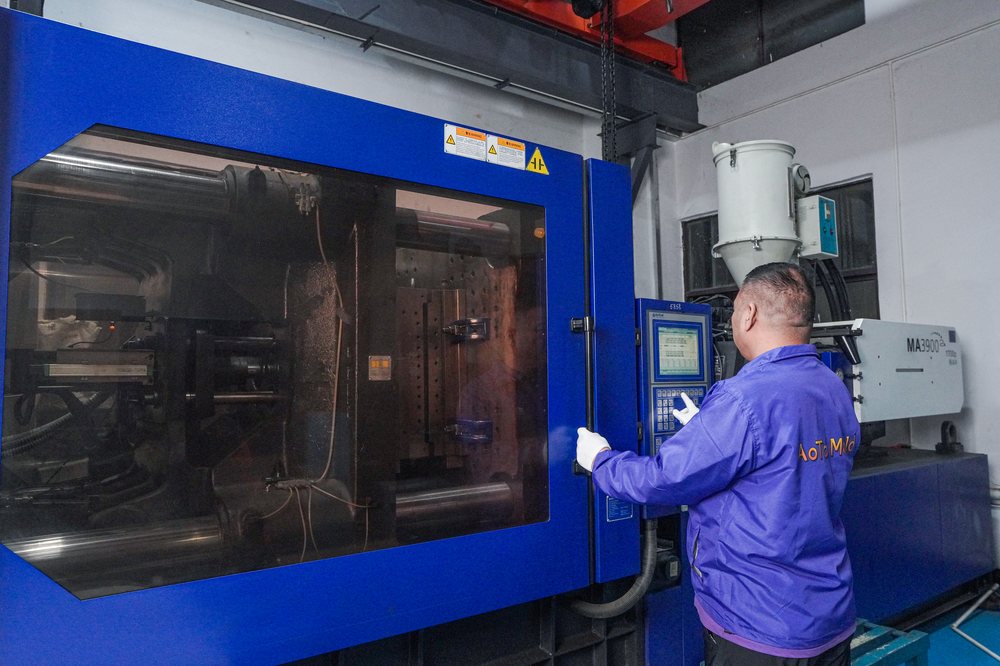
Desiccant drying at 150 °C for 3–6 hours, residual moisture below 0.02 %. Sealed handling to keep it there.
Read more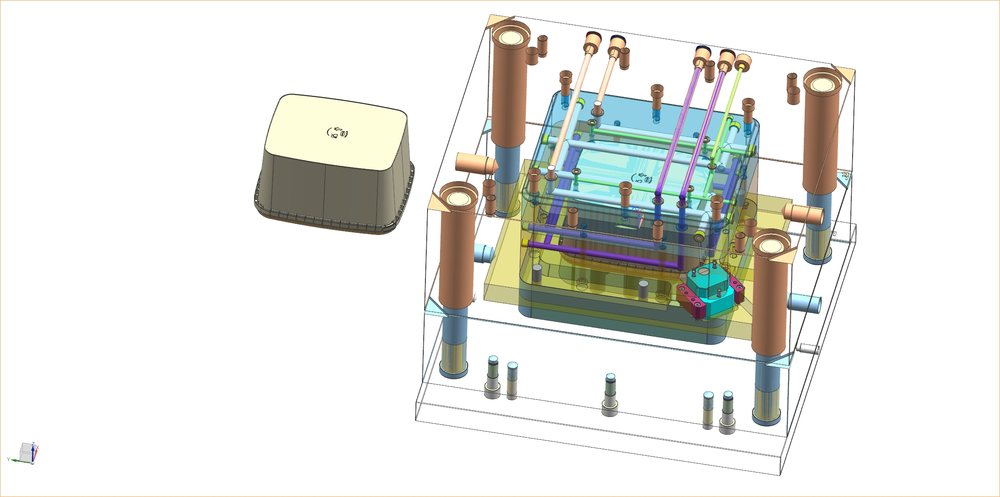
Barrel 360–400 °C, mold 160–220 °C, compression ratio 2.5–3:1, L/D 20–24:1, corrosion-resistant alloy screw.
Read more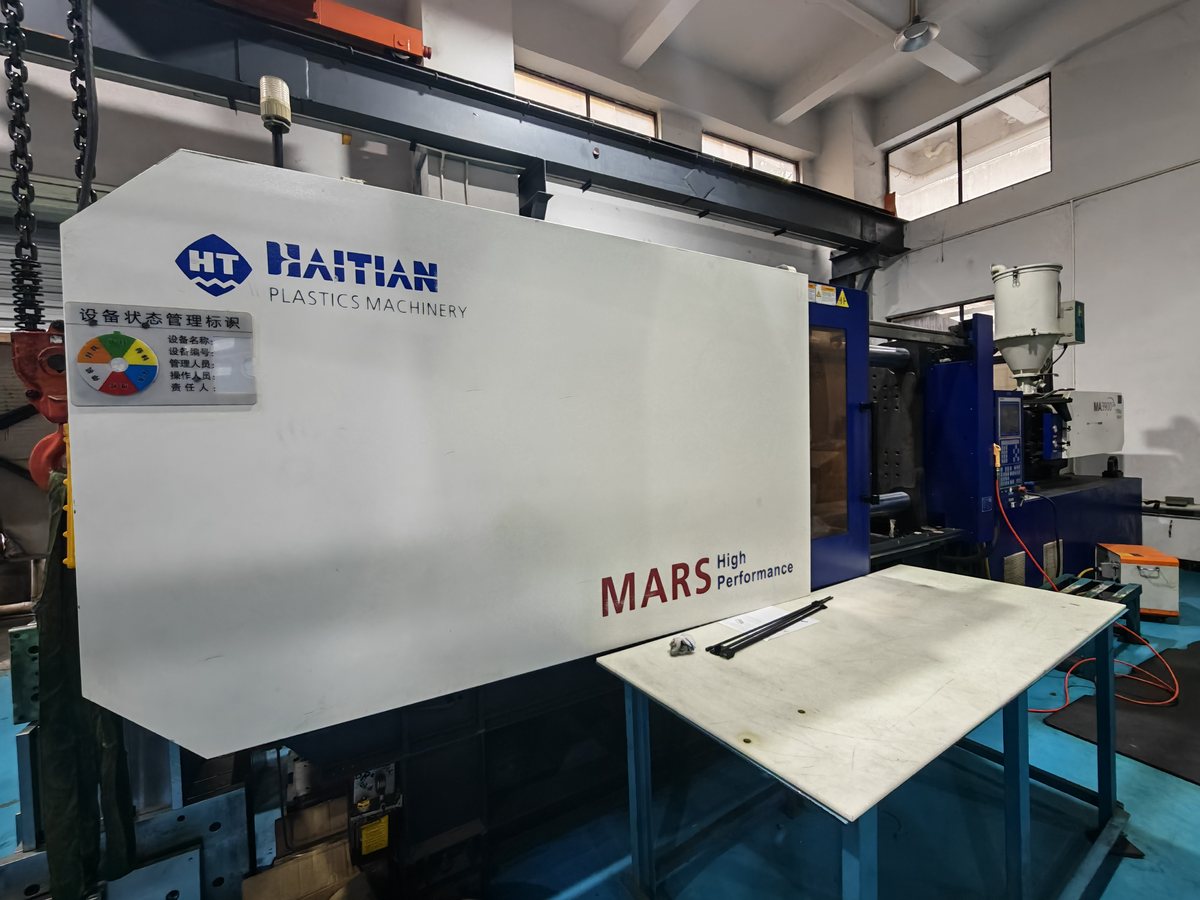
High-temperature presses with oil temperature units and dedicated mold-temperature monitoring.
Read more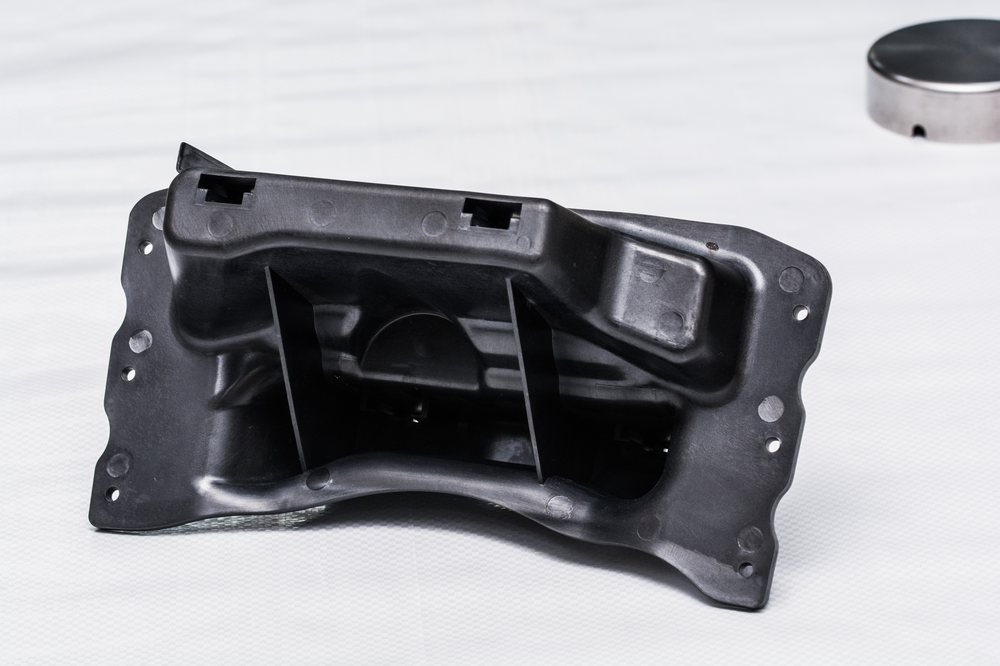
Annealing at 200 °C for 2–4 hours then slow furnace cooling to release internal stress and stabilize dimensions.
Read more| Defect | Main cause | Countermeasure |
|---|---|---|
| Warpage | Uneven mold temperature, uneven cooling | Conformal cooling, independent circuits, annealing |
| Bubbles / silver streaks | Insufficient drying, melt too hot | Re-dry, lower melt temperature, check runner |
| Sink marks / voids | Low holding pressure, gate freezing early | Enlarge gate, longer hold, higher holding pressure |
| Burns / scorch marks | Poor venting, excessive shear | Add vents 0.015–0.02 mm deep, slower injection |
| Stress cracking | Cooling too fast, insufficient annealing | Raise mold temperature, standardize annealing |
| Short shot | Insufficient pressure or mold temperature | Raise injection pressure and mold temperature, enlarge runner |
| Weak weld lines | Low melt temperature, poor venting | Raise melt and mold temperature, relocate gate |
Send STEP / UG / STP files by email or WeChat — you get material analysis, gating proposal, cycle estimate and mold price in one reply.
Request a Quote