
Generic "PEEK molding parameters" circulating online are usually extrapolated from commodity plastics, and the drying and mold-temperature figures are the ones most often wrong. What follows are engineering values from specialty-plastic equipment and tooling; final settings are optimized during trials for your specific part.
PEEK must run through a desiccant dryer at 150 °C for 3–6 hours with residual moisture below 0.02 %. Under-dried material produces bubbles, silver streaks and a measurable loss of mechanical properties. This step is not negotiable and it is not shortened under delivery pressure.
PEEK's 343 °C melting point leaves a narrow processing band. Barrel zones are set from 360 °C up to 400 °C, verified against the grade's datasheet rather than by habit from commodity plastics.
Crystallinity — and therefore strength, dimensional stability and wear resistance — is decided by how the part cools. We run 160–220 °C oil temperature control with mold-face uniformity within ±2 °C, on independent circuits for core and cavity. Screw and barrel use corrosion-resistant alloy with a compression ratio of 2.5–3:1, an L/D of 20–24:1 and no dead pockets.
Precision parts are annealed at 200 °C for 2–4 hours and then cooled slowly in the furnace to release internal stress and stabilize dimensions and crystallinity. This step is the answer to the classic complaint that a precision PEEK part "moved after two days" — and it is the step most often skipped.
| Defect | Main cause | Countermeasure |
|---|---|---|
| Warpage | Uneven mold temperature, uneven cooling | Conformal cooling, independent circuits, annealing |
| Bubbles / silver streaks | Insufficient drying, melt too hot | Re-dry, lower melt temperature, check runner |
| Sink marks / voids | Low holding pressure, gate freezing early | Enlarge gate, longer hold, higher holding pressure |
| Burns / scorch marks | Poor venting, excessive shear | Add vents 0.015–0.02 mm deep, slower injection |
| Stress cracking | Cooling too fast, insufficient annealing | Raise mold temperature, standardize annealing |
| Short shot | Insufficient pressure or mold temperature | Raise injection pressure and mold temperature, enlarge runner |
| Weak weld lines | Low melt temperature, poor venting | Raise melt and mold temperature, relocate gate |
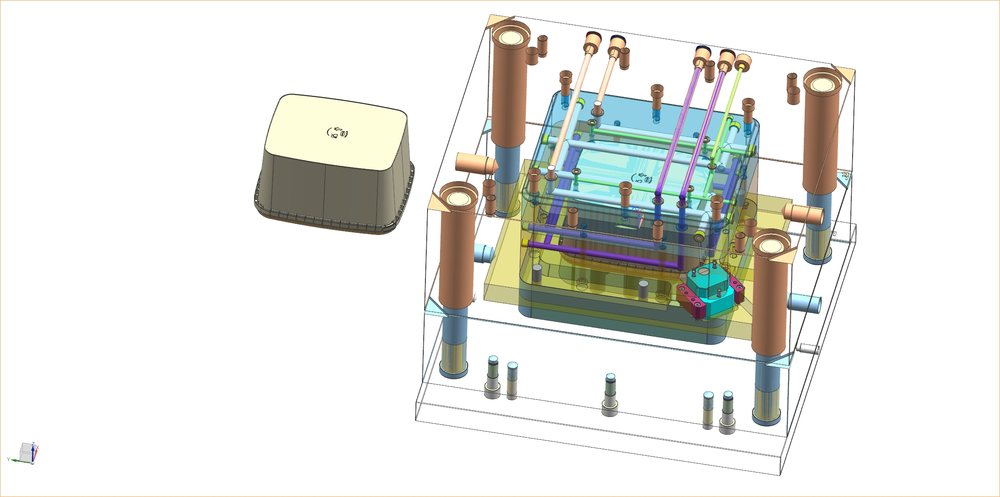
Steel selection, gating, temperature control, venting, ejection and tolerance control in detail.
Read more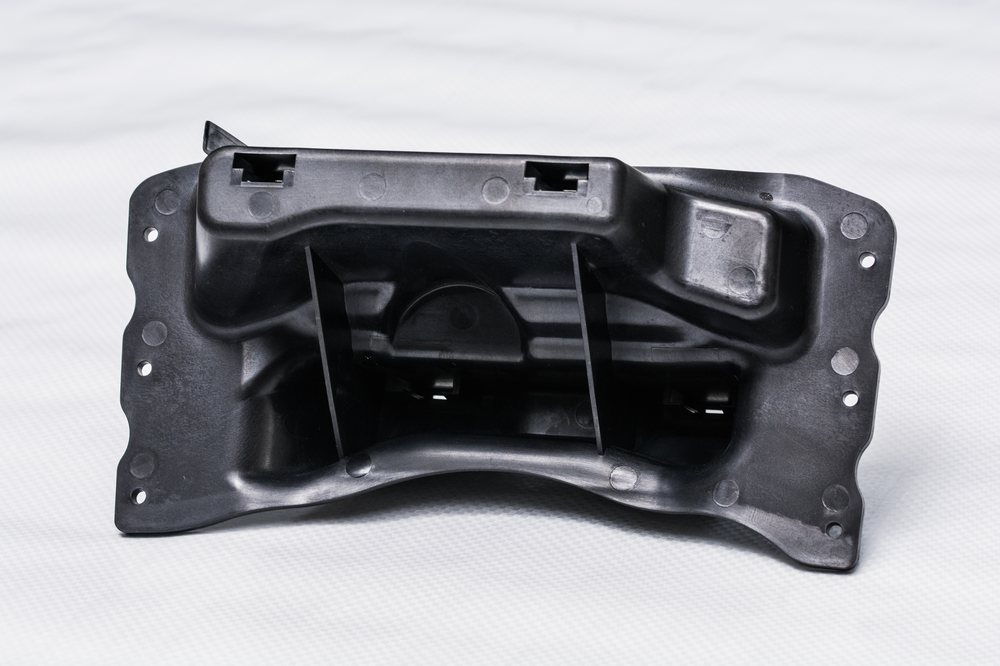
Properties against metal, brand grades and how domestic PEEK is changing costs.
Read more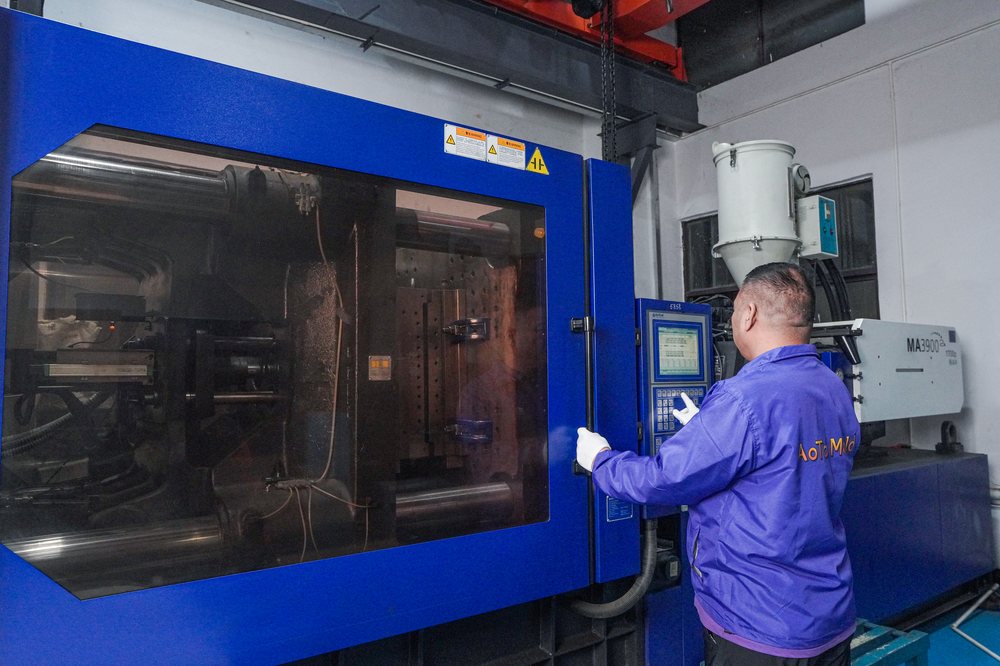
The equipment and handling discipline behind a repeatable PEEK process.
Read moreSend STEP / UG / STP files by email or WeChat — you get material analysis, gating proposal, cycle estimate and mold price in one reply.
Request a Quote